Menu
Call This Monday to Get $50 OFF

Locally Owned & Operated
Call This Monday to Get $50 OFF
Call This Monday to Get $50 OFF
Locally Owned & Operated
Call This Monday to Get $50 OFF
A brand new toilet should give you peace of mind, not extra maintenance. The trouble is that small installation details and a few early mistakes can create leaks before you notice anything is wrong. Learning how to make sure your new toilet stays leak-free can save you from water damage, higher bills, and unnecessary repairs. At Sure Plumbing, the goal is to help you understand what to check and how to catch issues before they grow. Keep reading because the points ahead show you the steps that keep a new toilet in good shape.

A wax ring serves as the first and most important defense against leaks because it forms the seal that keeps wastewater on the right path. It may look like a simple ring of material, yet it decides how well the toilet connects to the flange and the drain opening. When the flange sits slightly low or the flooring around the drain is uneven, the ring needs the right thickness to fill that gap. A standard ring works fine for most jobs, but some bathrooms need a thicker ring or one with a built-in collar. That small difference matters because even a thin gap can send moisture under the flooring. Once water reaches the subfloor, repairs get expensive. Setting the toilet straight down on the ring without twisting lets the wax settle into its place. The bowl needs to be level so the ring compresses evenly. This is one reason a homeowner may call for a plumbing repair service when they find a flange that sits cracked or recessed, because no wax ring can fix a damaged drain base. When the toilet rests on a stable surface and the ring seals well, you have a strong start and fewer worries about leaks that surprise you months later.
A dry and clean line around the bowl means the seal holds and the flooring sits firm. If you see dark grout, soft vinyl, or a faint water rim near the back of the toilet, you may have an early leak. Shine a small flashlight at the sides and back of the base because those areas stay out of direct light. Touch the floor with the back of your hand and feel for cool spots. If you laid new flooring before installing the toilet, check the transition area where the new surface meets the flange. A slight separation line can let water reach the subfloor. Then look at the water supply line because a loose connection there can drip and pool behind the toilet, where you may not see it right away. A quick test tells you if the line sits firm. Professional leak detection can help a homeowner avoid trouble. The right tool can identify moisture under the flooring months before it breaks through. If the base looks questionable or the supply line leaves a moisture trail, it's smart to call for a plumbing repair service so the issue stays small instead of turning into a full bathroom remodel.
Bolts that sit loose at the base give water a clear path. The bolts on each side of the bowl anchor the toilet to the flange. They also help keep the wax ring compressed. When the bolts lose tension, the ring lifts slightly. That small lift is enough for water to escape each time the toilet flushes. You may not see much at the start, so a quick check after the first week makes a difference. Pressing gently on each side of the bowl shows if the toilet rocks. If it does, the bolts need to be tightened until the bowl stays steady. A wrench gives you better control than a drill because you can feel when the bolt makes contact with the washer. Water that sneaks under tile or vinyl can spread, and the damage around the toilet base grows long before discoloration appears. Keeping the bolts snug protects the wax ring you set earlier and keeps the toilet in position.
A toilet needs firm bolts, but too much force puts the porcelain at risk. Porcelain looks strong, but it has natural stress points. Over-tightening pulls the bowl down unevenly and presses into those points. A crack can start near the bolt holes or around the base where the weight of the bowl meets the floor. These cracks tend to spread with temperature changes or regular use. Tank bolts have the same issue because the tank sits on a gasket that compresses as the bolts tighten. When pressure is too strong, the tank pulls out of shape and cracks along the back or side. Once porcelain cracks, replacement is the only dependable fix. A plumber in Hilliard, OH knows how to judge a bolt by feel instead of force. A homeowner can do the same with a little patience. Turn the wrench a small amount each time, then check the bowl for movement. When the bowl is stabilized, and the tank rests even on the gasket, stop. Trying to force a tighter seal leads to tank drips, base leaks, or damage.
A toilet that sits out of level creates long-term stress on every part of the installation. A bowl that leans to one side presses unevenly on the wax ring, which weakens the seal and lets moisture pass under the base. A bowl that leans forward or backward puts strain on the tank bolts and the gasket between the tank and the bowl. A basic level helps you check the front, sides, and back of the toilet before you tighten the bolts. If the floor slopes, shims help correct the angle so the toilet rests firmly on all sides. Wood shims work well because they grip the flooring and don't slide out of place. Once the toilet sits even, trim the shims so they don't show. When the bowl stays level, the wax ring keeps its full contact around the drain, the bolts hold without strain, and the tank sits tight without wobble. A plumber in New Albany checks the level during every install because it prevents a long list of leaks and repairs down the road.
A toilet can last a long time when you keep simple checks on your schedule. A glance around the bathroom gives you most of the information you need. Look at the base for changes in color or texture, touch the flooring for cool spots, and check the supply line for drips. Lift the tank lid and make sure the fill valve operates without water spilling over. Look at the tank bolts for rust that forms when water collects under the heads. Open the cabinet under the sink and feel the baseboard near the toilet area. Moisture in this part of the room can be a sign of a slow leak. If you sense something is wrong but can't find the exact cause, leak detection can point you in the right direction. A toilet that receives this level of care stays stronger and requires less toilet repair work later. When a homeowner trusts their senses and checks the bathroom from time to time, problems stay small.
When you notice moisture, wobbling, or cracks, Sure Plumbing is ready to help. Call today so we can protect your bathroom and keep your home in good shape. Our team can answer any questions you have and schedule an appointment.

A brand new toilet should give you peace of mind, not extra maintenance. The trouble is that small installation details and…
Learn More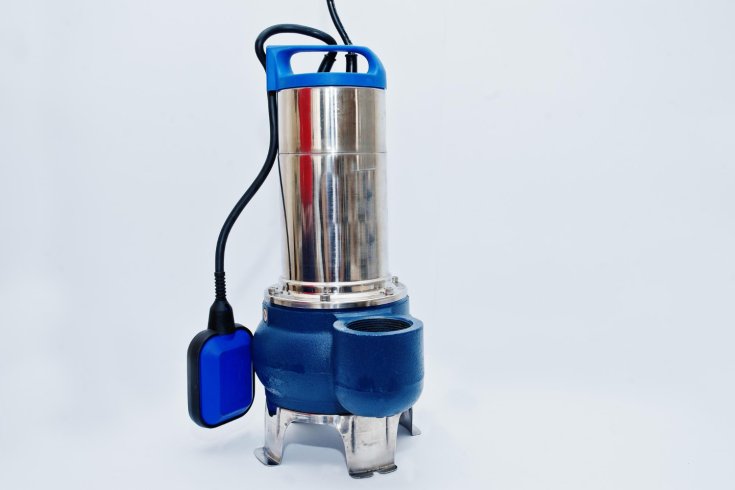
You rely on your sump pump far more than you realize, especially if your home sits in an area prone to…
Learn More
You probably don’t think much about the sewer lines running under your yard, but those pipes silently determine the health and…
Learn More.webp)
Dealing with plumbing issues is one of the most stressful parts of homeownership. Leaky pipes, clogged drains, and low water…
Learn More